
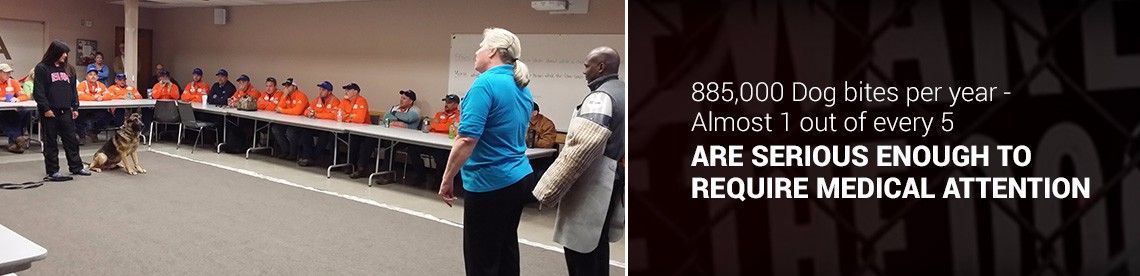
Employee Dog Bite Safety: Protecting Your Workforce
Employee dog bite safety is an important part of workplace risk management. Many employees work in homes, neighborhoods, farms, and public areas. Therefore, they may face unexpected dog encounters.
Even well-trained dogs can react suddenly. Because employees are often strangers, dogs may feel protective or threatened. Moreover, fast movements and loud noises can trigger aggression.
For this reason, businesses must focus on prevention. A clear safety plan protects workers, reduces injuries, and lowers legal risks.
Why Employee Dog Bite Safety Matters
Dog bite incidents can cause serious physical and emotional harm. However, many of these incidents are preventable with proper training and policies.
Financial and Legal Risks
Workplace injuries increase insurance costs. Therefore, companies may face higher premiums and compensation claims.
Moreover, lawsuits can damage a company’s reputation. Preventive action is always less costly than handling injury claims.
Employee Confidence and Morale
When workers feel protected, they perform better. Also, they approach field tasks with greater confidence.
Strong employee dog bite safety programs create a safer and more productive environment.
High-Risk Jobs and Situations
Some roles carry higher exposure to dogs.
Delivery and Postal Workers
Delivery drivers enter private property daily. Therefore, they often encounter territorial dogs near entryways.
Dogs may hide behind doors or fences. Because of this, awareness is critical at every stop.
Utility and Service Technicians
Technicians may need access to backyards or enclosed spaces. However, loose dogs can create unexpected danger.
Healthcare and Home Visits
Home healthcare workers and inspectors also face risk. Even friendly pets can react defensively in unfamiliar situations.
Understanding these risks helps improve employee dog bite safety strategies.
Key Employee Dog Bite Safety Practices
A structured approach reduces risk significantly.
1. Provide Dog Behavior Training
Employees must understand basic dog behavior. For example, growling, stiff posture, and direct staring are warning signs.
Workers should:
- Stay calm
- Avoid sudden movements
- Never run
- Avoid direct eye contact
Because dogs respond to body language, calm behavior lowers aggression.
2. Establish Clear Workplace Policies
Written policies guide safe decision-making. For example, employees should avoid entering properties with loose aggressive dogs.
Moreover, reporting systems should be simple and clear. Therefore, management can track and address recurring risks.
3. Encourage Pre-Visit Communication
Whenever possible, notify customers before arrival. This gives owners time to secure their pets.
Also, visible delivery alerts help reduce surprise encounters.
4. Maintain Safe Distance
Distance reduces danger. However, if a dog approaches, standing still and using firm verbal commands can help.
Using objects like tool bags or clipboards as barriers also increases protection.
Creating a Workplace Dog Bite Safety Program
An organized plan ensures long-term success.
Conduct Risk Assessments
Identify which roles face frequent dog exposure. Because each industry differs, assessments must be specific.
Data-driven planning improves employee dog bite safety outcomes.
Record and Analyze Incidents
Track all dog-related incidents and near misses. Therefore, patterns become clear.
Regular review helps improve training and policies.
Offer Refresher Training
Safety training should happen regularly. Moreover, repeated sessions strengthen awareness and response skills.
Role-playing real-life scenarios also improves confidence.
Strengthening Safety with Professional Support
After building internal policies, companies often seek expert guidance. Professional advice ensures compliance and effectiveness.
This is where bulliray supports organizations with structured safety resources and practical training tools. Their solutions help businesses enhance their employee dog bite safety programs with proven strategies.
Moreover, expert-backed systems increase long-term safety performance and reduce workplace risk.
Building a Culture of Awareness
Policies alone are not enough. Safety must become part of company culture.
Encourage employees to report unsafe conditions without fear. Therefore, management can act quickly.
Also, recognize and reward safe behavior. Positive reinforcement strengthens long-term habits.
When safety becomes a shared responsibility, incidents decrease significantly.
Benefits of Strong Employee Dog Bite Safety Programs
An effective employee dog bite safety plan offers clear advantages:
- Fewer workplace injuries
- Lower insurance claims
- Reduced legal exposure
- Improved employee morale
- Stronger company reputation
Because dog encounters are unpredictable, preparation is essential.
Conclusion
Employee dog bite safety is not optional for businesses with field workers. Dog-related injuries can happen suddenly. However, with proper training, clear policies, and proactive communication, risks can be reduced significantly.
Moreover, investing in prevention protects employees and strengthens company performance. By building a structured program and using expert support when needed, businesses create safer and more confident work environments.
A strong safety culture today ensures fewer injuries tomorrow.