
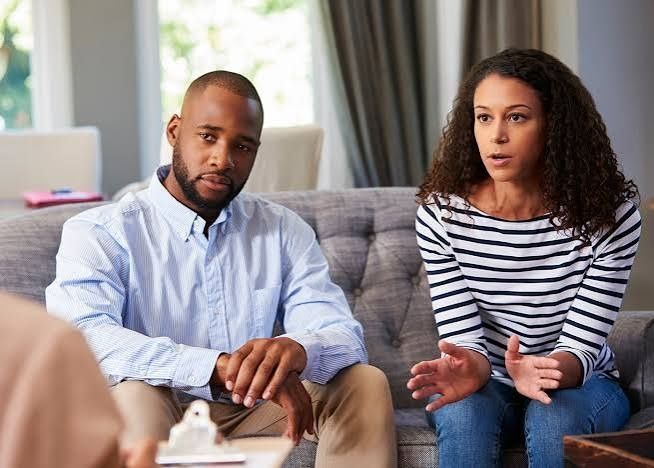
Finding Couples Counselling in Teddington & Hampton
Relationships change over time. Work pressure, parenting, money worries, family responsibilities, or simply feeling disconnected can affect even couples who once communicated easily.
Sometimes the problem isn't one major event. Small disagreements keep returning, conversations become shorter, and both partners start feeling unheard. It can be difficult to work out when things began to shift.
Counselling offers a private setting where both people can talk about what's happening without turning every discussion into another argument. The aim isn't to decide who is right or wrong. It's about understanding the relationship more clearly.
For couples considering couples counselling in Teddington and Hampton, therapy can provide structured time to explore communication, recurring conflicts, emotional distance, trust, and other concerns affecting the relationship. Each couple arrives with a different story, so the work should reflect their particular circumstances.
When Might Couples Counselling Be Helpful?
You don't have to wait for a relationship to reach a breaking point.
Some couples seek support after a specific event, such as infidelity or a major life change. Others notice that they keep having the same disagreement without getting anywhere.
Emotional distance can be another reason.
You might still manage work, children, shopping, bills, and everyday responsibilities together while feeling more like housemates than partners.
Therapy can create space to discuss these changes before resentment becomes harder to address.
What Happens During a Couples Counselling Session?
Early sessions usually allow the therapist to understand the relationship and what each person hopes will change.
Both partners can describe their experience. This may include current difficulties, important events in the relationship, communication patterns, and concerns about the future.
The therapist isn't there to take sides.
Instead, sessions can help identify patterns that are difficult to recognise while you're caught inside them. One partner may withdraw during disagreements, for example, while the other pushes harder for an immediate response.
Seeing that cycle can be more useful than arguing about who started it.
Can Therapy Improve Communication Between Partners?
Communication problems aren't always about a lack of talking.
Couples can talk frequently and still misunderstand each other. Tone, timing, assumptions, defensiveness, and old frustrations can change how a simple conversation feels.
Counselling may help partners slow these interactions down.
That can mean learning to express concerns more clearly, listening without immediately preparing a defence, and recognising what sits underneath repeated arguments.
Small changes can matter here.
What Relationship Issues Can Be Discussed?
There isn't a fixed list.
Couples may bring concerns involving trust, intimacy, parenting, finances, family boundaries, jealousy, separation, affairs, different expectations, or major changes in life.
Others can't identify one obvious problem.
They simply know the relationship doesn't feel as close as it once did.
https://www.brightskytherapy.co.uk offers a supportive setting for couples who want space to understand their relationship difficulties more clearly. Rather than treating every couple in the same way, counselling can focus on the concerns, communication patterns, and emotional experiences that are relevant to the two people actually sitting in the room.
Does Couples Counselling Always Aim to Keep People Together?
Not necessarily.
Many couples enter therapy hoping to repair and strengthen their relationship. Counselling can help them understand what has gone wrong and consider how they might move forward together.
For others, the situation is less certain.
One or both partners may be questioning whether they want the relationship to continue. Therapy can provide space for those feelings to be discussed honestly rather than forcing a particular outcome.
Sometimes clarity itself is important.
How Do You Prepare for Your First Session?
You don't need to arrive with perfectly organised thoughts.
It may help to consider what has been troubling you, when you first noticed the problem, and what you would like to be different.
Try to think beyond what your partner needs to change.
Ask yourself what happens during difficult moments, how you normally respond, and what you might be contributing to the pattern. That isn't about taking blame. Relationships involve interactions between two people.
Being open about uncertainty can be useful too.
How Long Does Couples Counselling Take?
There isn't a universal number of sessions.
Some couples come with a specific issue that can be explored over a relatively focused period. Others are dealing with long-standing patterns that need more time.
Progress may not feel dramatic every week.
A useful session can sometimes leave difficult feelings behind because previously avoided subjects have finally been discussed. What matters is whether the work is helping both partners understand the relationship and make meaningful changes.
Choosing Couples Counselling Teddington Hampton
Finding the right therapist is partly about professional experience and partly about whether both partners feel able to speak openly.
Ask how the therapist approaches couples work and what you can expect from the first few sessions. Practical details such as appointment availability, location, fees, and session format matter as well.
Both people don't have to feel completely comfortable immediately.
Therapy itself can feel unfamiliar at first. A reasonable starting point is whether you both feel listened to, respected, and able to discuss difficult subjects without being judged.
Conclusion
Relationship difficulties rarely fit into neat categories. One argument may actually involve years of feeling ignored, while emotional distance may have developed slowly without either partner noticing exactly when it happened.
Couples counselling Teddington Hampton can offer dedicated space to look at those patterns more carefully. It doesn't promise a particular outcome, but it can help couples communicate more openly, understand each other's experiences, and make clearer decisions about their relationship.
Frequently Asked Questions
Do both partners need to attend couples counselling?
Couples therapy normally involves both partners because the relationship itself is the focus. If one partner isn't ready to attend, individual therapy may still provide useful support for the person seeking help.
Is couples counselling only for relationships in crisis?
No. Couples may seek counselling for recurring disagreements, communication difficulties, emotional distance, major life changes, or simply because they want to understand their relationship better.
What if we argue during a counselling session?
Difficult conversations can happen in therapy. A therapist can help slow the discussion down, identify what is happening between you, and create a more structured way of talking about the underlying issue.